
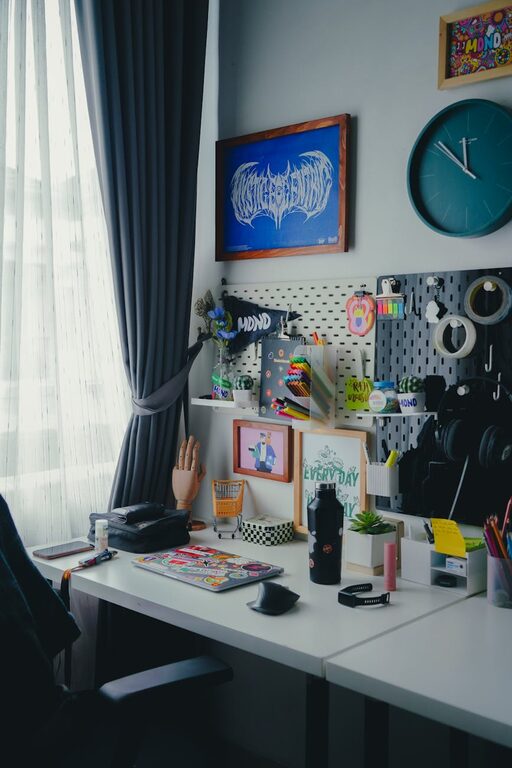
Creating a relaxing home workspace is essential for maintaining focus, reducing stress, and improving overall productivity. With many people working remotely, having a designated area that promotes calm and comfort can make a big difference in your daily routine. In this post, we’ll explore practical tips and ideas to help you design a workspace that feels inviting and supports your well-being.
Why a Relaxing Workspace Matters
Your environment significantly affects your mindset and work performance. A cluttered or uncomfortable space can lead to distractions and fatigue, while a well-thought-out workspace encourages concentration and creativity. By prioritizing relaxation in your home office design, you set yourself up for better work habits and a healthier balance between professional and personal life.
Choosing the Right Location
Find a Quiet Spot
Select a place in your home where you can work with minimal interruptions. Ideally, this area should be away from noisy appliances, heavy foot traffic, or entertainment zones.
Maximize Natural Light
Natural light can lift your mood and reduce eye strain. Position your desk near a window if possible, but avoid glare on your screen by arranging seating thoughtfully.
Designing Your Workspace
Invest in Comfortable Furniture
– Ergonomic Chair: Choose a chair that supports good posture with adjustable height and lumbar support.
– Desk Height: Ensure the desk height allows your elbows to rest comfortably at a 90-degree angle.
Keep It Organized
Clutter can cause unnecessary stress. Use drawers, boxes, or shelves to keep supplies in order.
– Use cable organizers to minimize wire mess.
– Integrate storage solutions like filing cabinets or desk organizers.
Personalize Your Space
Add elements that inspire and relax you, such as:
– Plants for a touch of greenery and improved air quality.
– Artwork or photos that bring positive energy.
– Soft textiles like a cozy rug or cushions.
Lighting for Relaxation and Focus
Good lighting balances brightness without causing glare or fatigue.
– Use a combination of ambient light and task lighting.
– Consider adjustable desk lamps to direct light where you need it.
– Warm light bulbs create a calm atmosphere, while cooler bulbs help with alertness.
Minimizing Distractions
Staying focused in a home setting can be challenging. Here’s how to reduce interruptions:
– Set clear boundaries with family or roommates during work hours.
– Use noise-canceling headphones or background music to drown out distractions.
– Keep your workspace dedicated strictly to work-related activities.
Incorporating Relaxation Techniques
Taking regular breaks and including calming elements can enhance your workday.
– Practice deep breathing or brief stretches at your desk.
– Include a small diffuser with essential oils like lavender or eucalyptus.
– Keep a water bottle handy to stay hydrated.
Maintaining Your Workspace
A relaxing space needs consistent care.
– Schedule weekly clean-ups to maintain tidiness.
– Reassess your setup periodically and make adjustments as your needs change.
– Keep digital files organized for a smoother workflow.
Final Thoughts
By creating a home workspace that prioritizes relaxation, you foster a positive environment conducive to productivity and well-being. Remember, your workspace should serve you—tailor it to your preferences, stay organized, and don’t forget to take moments to unwind throughout your day.
With these tips in mind, you’re well on your way to building a peaceful and efficient home office that you’ll look forward to using every day.