
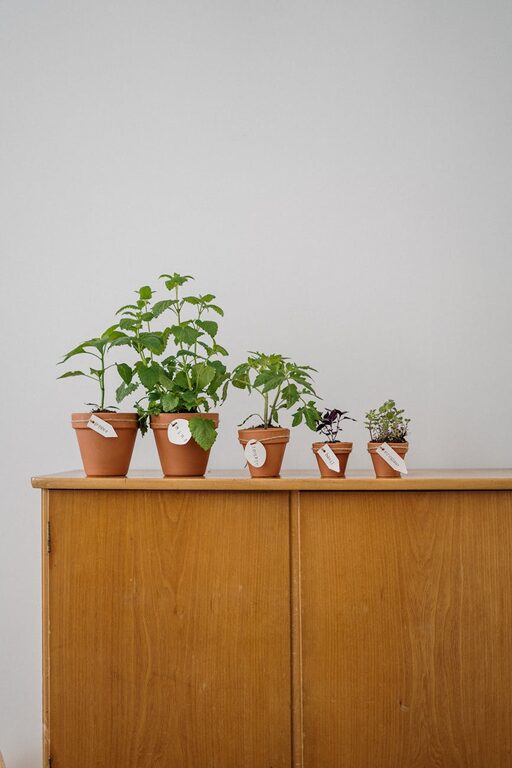
Growing your own herbs indoors is a rewarding and practical way to enjoy fresh flavors in your cooking year-round. Whether you have limited outdoor space or want the convenience of fresh herbs at your fingertips, starting a small indoor herb garden is easier than you might think. This guide will walk you through everything you need to get started, from selecting the right herbs to caring for your plants.
Why Grow Herbs Indoors?
Indoor herb gardening offers many benefits:
– Freshness: Pick herbs just before use for maximum flavor.
– Convenience: Easily accessible in your kitchen or living space.
– Cost-effective: Save money on store-bought herbs that often wilt quickly.
– Aesthetic: Adds greenery and a pleasant aroma to your home.
– Educational: Great for beginners and kids to learn about plants.
Choosing the Right Herbs for Indoor Growth
Some herbs thrive better indoors due to their size, light needs, and growth habits. Consider starting with these popular, easy-to-grow herbs:
– Basil: Needs bright light, ideal for cooking.
– Mint: Hardy and fast-growing; best kept in a separate container to prevent spreading.
– Parsley: Prefers moderate light and regular watering.
– Chives: Requires less light and adds a mild onion flavor.
– Thyme: Likes bright light and well-draining soil.
– Cilantro: Prefers cooler spots and regular watering.
Select herbs you enjoy cooking with to make the effort worthwhile.
Supplies You'll Need
Before planting, gather the following materials:
– Containers: Pots with drainage holes to avoid waterlogging. Size depends on herb type, but generally 4-6 inches diameter works.
– Potting Mix: Use a light, well-draining potting soil formulated for container gardening.
– Seeds or Starter Plants: Seeds cost less but take longer; starter plants give a quicker harvest.
– Watering Can: For gentle, controlled watering.
– Light Source: A sunny windowsill is ideal. Alternatively, use grow lights if natural light is limited.
– Labels: Optional, to keep track of different herbs.
Step-by-Step Guide to Starting Your Herb Garden
1. Pick the Perfect Spot
Herbs generally need 6-8 hours of light daily. A south-facing window is ideal. If natural light is insufficient, consider LED grow lights placed about 6-12 inches above the plants.
2. Prepare Your Containers
Fill pots with potting mix, leaving about an inch of space from the top for watering. Avoid using garden soil, which can compact and contain pests.
3. Planting Seeds or Transplants
– For seeds, follow the packet instructions for depth and spacing. Lightly cover the seeds with soil.
– For starter plants, gently loosen roots if pressed into a pot and transfer to your container. Firm soil around the roots.
4. Water Gently
Water the soil until moist but not soggy. Too much water can cause root rot, so ensure drainage holes are functioning.
5. Maintain Proper Temperature and Humidity
Most herbs like temperatures between 65°F to 75°F (18°C to 24°C). Avoid placing plants near cold drafts or heating vents. Indoor humidity can be increased by misting or placing a tray of water nearby.
6. Care and Maintenance
– Watering: Check soil moisture every few days. Water when the top inch of soil feels dry.
– Feeding: Use a balanced, water-soluble fertilizer once a month in growing season.
– Pruning: Regularly pinch back herbs to encourage bushy growth and prevent flowering.
– Pest Control: Inspect leaves for pests such as aphids or spider mites. Use gentle soapy water sprays if needed.
Tips for Success
– Rotate pots weekly to ensure even sunlight exposure.
– Avoid overcrowding pots to allow good air circulation.
– Harvest frequently but do so by snipping stems just above a pair of leaves.
– If herbs start to look leggy or weak, try changing their location or light conditions.
Troubleshooting Common Problems
| Problem | Possible Cause | Solution |
|———————-|—————————–|———————————|
| Yellowing leaves | Overwatering or poor drainage | Let soil dry, check pot drainage |
| Leggy growth | Insufficient light | Provide more light, rotate plants |
| Wilting despite watering | Root rot from overwatering | Reduce watering, repot if needed |
| No growth or slow growth | Nutrient deficiency or temperature stress | Fertilize and adjust environment |
Harvesting and Using Your Herbs
When herbs are about 4-6 inches tall, start harvesting. Use scissors to snip stems in the morning when oils are most concentrated. Fresh herbs can be added to salads, soups, teas, and many other recipes.
Conclusion
Starting a small indoor herb garden is a fun and manageable project, even for beginners. With the right location, supplies, and a bit of care, you can enjoy fresh herbs at home all year long. Plus, caring for plants can add a sense of calm and satisfaction. So grab some pots, seeds, and soil, and get growing!
Happy gardening!